

DEPENDING ON THE SUN.
OUR LENSES ACCORDING TO YOUR LIGHTING ENVIRONMENT
Different from those of opticians, large optical chains, and brands of blue light blocking glasses.
Relevant according to the timing of our physiology and our light environment.
Performing well on the right wavelengths.
Each of our frames can be customized, depending on the lenses you choose:
-pair of glasses that transmits the maximum of your solar energy source if you need a correction: DAY Mineral lens.
– Glasses that intelligently restore the darkness upon which all your functions depend:
len NIGHT & NIGHT PRO.
– glasses that work like the previous ones, and that limit the glare from modern car headlights without significantly increasing your propensity to sleep:
lens NIGHT DRIVE.
Note: The DAY organic lens is more suitable if you have a strong prescription, or if you tend to drop your glasses regularly (recommended for children).
0. lens DAY Mineral
Why choose it?
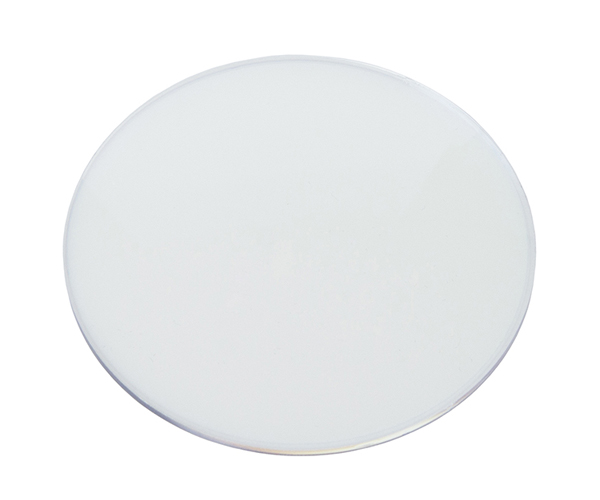
One single reason : Perception of natural light in the eyes, while maintaining clear vision. Including blue light.
Large optical chains and most brands of blue light blocking glasses try to convince you that their lenses protect you from the blue light emitted by screens during the day, which they claim is beneficial.
There are two things you should know about this.
First:
What they do is only block a very small portion of blue light (which is actually violet)- not even corresponding to that emitted by the screens – as well as ultraviolet rays: in short, they are only effective below 420nm. You get no benefit against artificial light: with these lenses, you only block a portion of the sun’s beneficial light.
Why? Because no artificial light source (screen, headlight, streetlamp, lighting, etc.) emits light below 440nm! Watch the numerous videos where I demonstrate this with a spectrometer. In other words, lenses that block below 420nm miss the target 100%—hard to believe, but true.
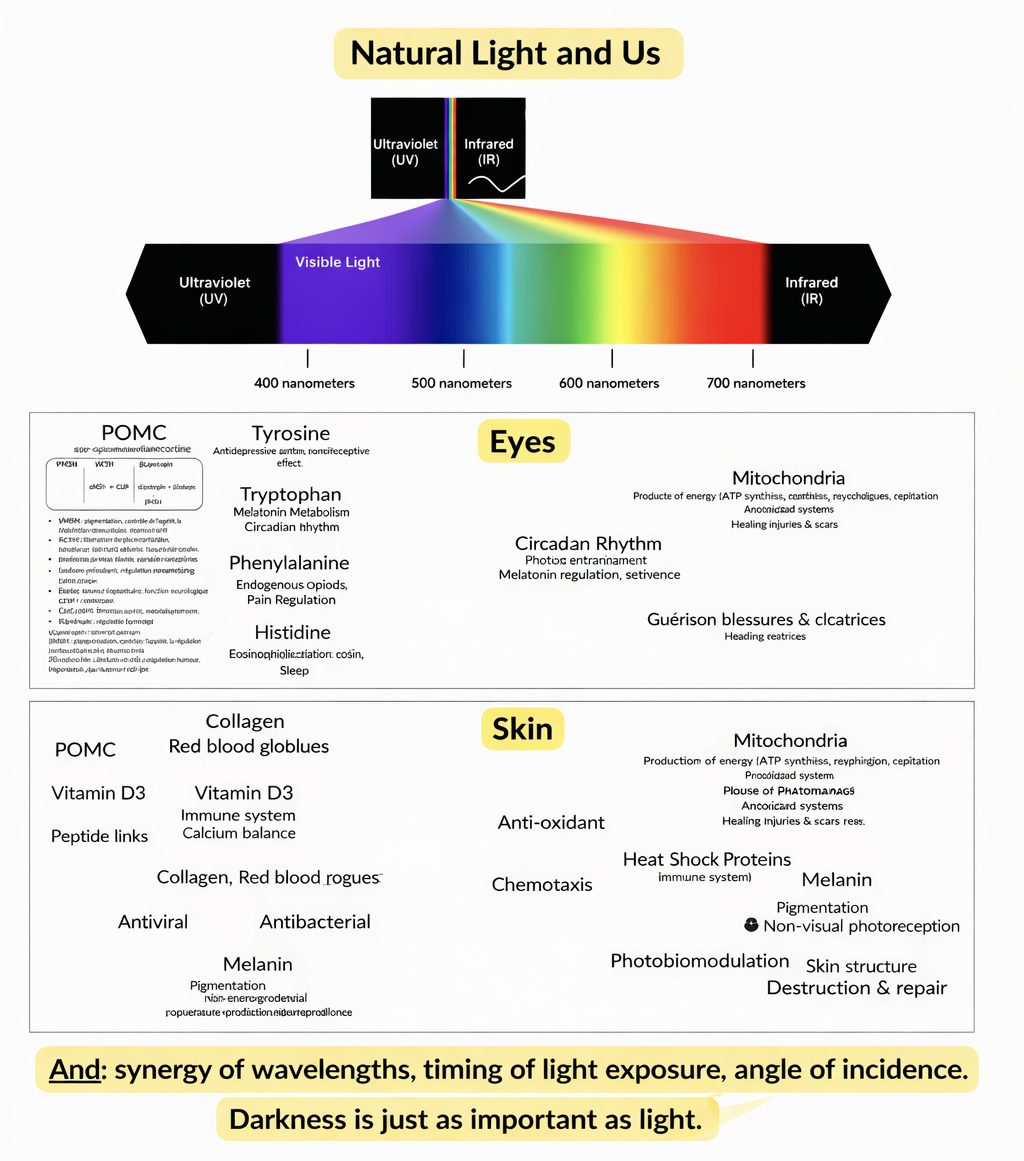
Second: Ultraviolet and natural blue light are extremely important for regulating your biological clock, synthesizing dopamine, serotonin, melatonin, thyroid hormones, and melanin in the uvea and iris—in short, for your entire life. Note that a rainbow contains blue and violet. Blocking them is unnatural, similar to removing a single mineral like magnesium from natural mineral water.
Conclusion: If you experience headaches and eye strain during the day in front of screens, The best thing to do is to spend less time in front of screens, and to go outside and live in natural light.
This isn’t a solution that makes money for large optical chains or for brands of pseudo-blue light blocking glasses, and it’s the solution I’ve chosen to offer you.
The DAY lens I developed is therefore intended only for people who usually wear glasses and who simply want better glasses that allow them to perceive the entire visible light spectrum and let through much more invisible light (ultraviolet and infrared) compared to standard lenses on the market. I don’t sell the DAY lens without a prescription.
In short: during the day, blocking blue light is pointless; on the contrary, it’s dangerous: you’re not as healthy. Especially since daytime “blue light blocking” lenses are automatically UV-protective.
Now, quickly, why do large optical chains and brands offer this? It’s also because most of them haven’t researched the science or have never even looked at a rainbow.
Example of a Swiss DAY Mineral product from a client; basic concepts
DAY Mineral lenses are ideal for perceiving natural light while maintaining clear vision (therefore, only with corrective lenses); however, there is still material in front of our eyes. Any material in front of our eyes partially blocks light. Therefore, the stronger your prescription, and even more so if you don’t thin your lenses, the less natural light you perceive. DAY Mineral lenses are made of purified fused silica: their ideal optical clarity allows you to perceive approximately 10 to 60% of UV rays, approximately 91 to 95% of visible light, and approximately 10 to 60% of infrared rays, depending on two factors: the strength of your prescription (again, the thicker your lens, the less light you perceive), and the weather conditions. The anti-reflective coating on DAY Mineral lenses increases the transmittance of visible light. As a reminder, super-oleophobic and super-hydrophobic coatings are not available on Swiss lenses; only anti-scratch and anti-reflective coatings are.
The DAY Mineral lens, being made of real glass, can break if you’re not very careful. That’s why it’s unavailable for children (sorry), and not recommended for our two partially rimmed frames: Serious and Crescent Moon. Choose a Full Moon. (Or another one).
The DAY Organic lens transmits approximately 90% of visible light but blocks UV rays and a large portion of infrared radiation. It is made of resin (plastic). Why market it? People with a prescription stronger than -4.5 or +4.5 wouldn’t tolerate the DAY Mineral lens, which would be too heavy for everyday wear, even with lightweight frames and even with a thinner lens. Between 2.5 and 4, I highly recommend a thinner lens. Below 4.5, you’ll love the DAY Mineral lens. In short, the DAY Organic lens allows people with a strong prescription, or those on a tight budget, to have great glasses, plain and simple.
Finally, as you already know, the most important thing is your lifestyle. Even if you have DAY Mineral lenses, I recommend removing them from your eyes as much as possible to:
– look at the sky, sunrise, and sunset without glasses
– look at the sun higher in the sky as you gradually begin to acclimate your intraocular melanin (never do this too soon; it can be as dangerous as an ultra-trail run without training).
– work outdoors without glasses, even in front of a screen. Natural light compensates for the harmful effects of artificial light (partially, but significantly).
– work indoors near a window (ideally open) if you have no other option.
When you absolutely need to see clearly, wear your glasses, of course.
Each DAY lens, organic or mineral, can be produced and fitted into frames, according to your preference, either in Switzerland or China. Mehdi Firaoui, in Lausanne, Switzerland, despite his youth, is one of the most professional opticians I have ever met—and I have met between 100 and 200. China no longer rhymes with poor quality; you are currently reading about a Chinese product. Eight billion people are affected by the scourge of nighttime overexposure of their eyes to modern artificial light, and several billion more are affected by the lack of natural light in their eyes and on their skin; I cannot rely on the French eyewear industry on a large scale. And as a reminder, 95-99% of the frames and lenses you buy come from China. Even lenses labeled as French sometimes come from China. A single manufacturer holds a total monopoly at the time of writing. While officially Italian, its manufacturing is global (China is number one, followed by Thailand, Mexico, etc.). This manufacturer produces the glasses for almost all luxury brands and even those less so: it’s behind the vast majority of names you know. Just under a billion people currently wear this brand’s glasses.
–long video : “Why are glasses so expensive these days? Because one company has a monopoly.”.
– short video.
My brand is Swiss, the glasses are made in China (except for the Swiss lenses), and I’m not hiding it.
I received many questions about contact lenses, laser surgery for myopia, and the ability of our eyes to regain perfect visual acuity by reducing the interaction between the sun and our eyes. I invite you to watch the “Q&A” story highlight on Instagram : @loiskedochim.
Obviously, DAY lenses (mineral or organic) are not available without visual correction : if the person does not need vision correction, we do not add any material between her eyes and the sun. Throw away your “resting” glasses, like Aurora, you’ll feel much better.
1. Lens NIGHT
Why choose it?
1st reason : MELATONIN.
2nd reason : RELIEF, CONCENTRATION, PERFORMANCE, RELAXATION.
3rd reason : PROTECTION.
For further explanation, clic here .
Important
Wear the NIGHT 4 (or NIGHT PRO, NIGHT DRIVE) lenses only after sunset and until your bedtime, regardless of the season or your environment (whether you’re indoors at home or outdoors on the street, in a restaurant, etc.). Also wear them before sunrise if you’re awake, so in total, wear them during all your nighttime physiological periods when you’re awake.
The high-energy blue light of artificial origin isn’t just from screens. It’s also your lamps, LEDs, those in restaurants, today’s streetlights, car headlights, subway lights, and video advertisements on the street.
Artificial light is light created by humans, as opposed to sunlight, which has existed for 4.5 billion years. It includes all the light sources we turn on after sunset in our modern society.
The only exception to wearing NIGHT 4 glasses in the evening is if you are on the beach watching shooting stars without artificial light around you (without a phone…).
* Wearing NIGHT 4 (or NIGHT PRO) lenses while driving is prohibited, as it will increase your susceptibility to drowsiness. Loïs Kedochim disclaims all liability for any consequences arising from the use of its products, including but not limited to increased drowsiness, decreased reflexes, and reduced perception of visual details. Customers assume full responsibility for their decisions and their consequences while wearing NIGHT (or NIGHT PRO, and NIGHT DRIVE) lenses, as well as at other times when wearing them. Blocking light from your eyes always has consequences..
THE EXACT SPECTRUM.
This is what optical brands and chains don’t disclose, or sometimes alter using photo editing software.
Some brands do not comply with the ISO ANSI 280.3:2018, EN ISO 12312-1:2013(A1:2015), AS/NZS 1067.1:2016, ISO 8980-3, ISO 12312-1:2013, ISO 12312-1, and ISO 905 standards. This means they may, on the one hand, reduce the strength of the light source to artificially increase the percentage blocked by the lens, and on the other hand, change the light measurement methods using a non-compliant spectrometer to increase the percentage blocked by the lens. Finally, they may even fail to display a light transmittance spectrum for the lens, or display one that has been modified after analysis.
It is very logical to understand that the same glass can have varying results depending on the intensity of the emitting source: the NIGHT 4 glass will let more light through in front of the Eiffel Tower lighthouse than in front of a screen.
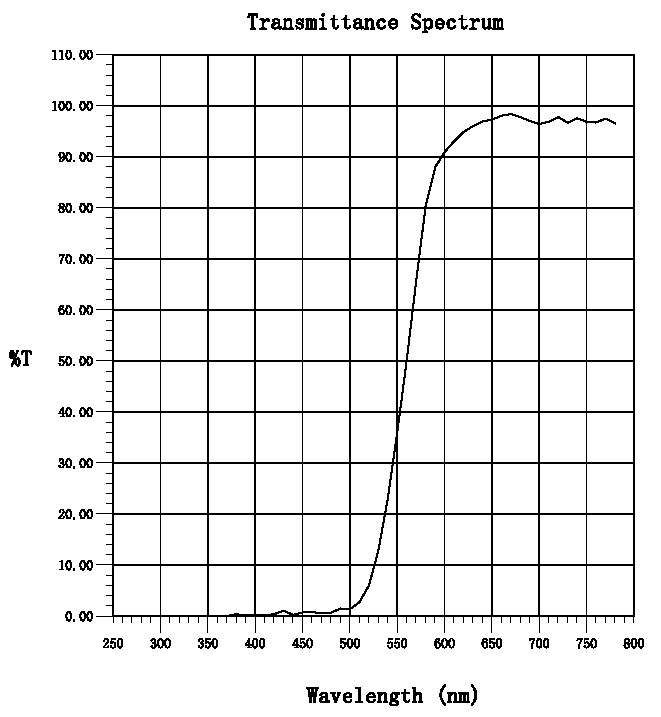
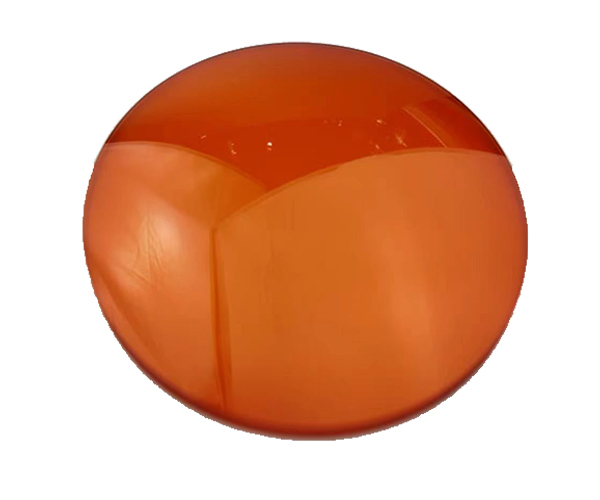
NIGHT 4 lenses
• Blocks 99.3% of blue light (380-500nm)
• Blocks 85% of green light (500-550nm)
• Blocks 10% of yellow-orange light (550-650nm)
As a reminder, the visible spectrum for the human eye ranges from 380 to 780nm. The peak of artificial light is generally between 450 and 480nm.
Read this.
Impress everyone.
Here’s a unique characteristic of our brand and our eyewear, since 2023.
Our NIGHT 4 lens is effective across the wavelength range that truly matters, at the right time, according to the fundamental principles of our physiology.
For your informational purposes only, and not to denounce uninformed competitors, let’s summarize the lenses used by the vast majority of players in the optical and eyewear industry:
1 – So-called “blue light” glass, which costs 150-200 EUR or more, is actually “transparent“—very slightly yellowish. This glass only blocks light below 420 nm and above 780 nm. This does not correspond to the light emitted by typical modern artificial light sources. (Screens, lamps, etc., you know them – the only exception being the rare UV and IR LEDs). The first thing to know is that this glass is ineffective against modern artificial light. Incredible, but true. Verified and demonstrated many times in video using a spectrometer.
The second thing to know is that people “feel” a slight difference, an effect, and they think it’s positive. Why do they feel these differences, which are actually quite harmful? First, due to the placebo effect, but also and especially because this glass blocks 100% of ultraviolet rays—which are vital for our dopamine synthesis, thyroid hormones, melanin homeostasis, regulation of our circadian rhythm, vitamin D synthesis in synergy with the skin, and many other fundamental processes—and this glass also blocks most of the infrared radiation, which is naturally present in sunlight (representing more than half of the solar spectrum, on average). Imagine a plant deprived of natural light; will it be healthy? No, it never is, and we are not houseplants. This infrared light spectrum is an integral and necessary part of the spectrum present on Earth for 4.5 billion years, to which all living beings and the human organism are biologically and evolutionarily adapted. Yet, an optician, an ophthalmologist, or an entrepreneur in the eyewear and optical industry, uninformed and unaware, doesn’t hesitate to advise you to wear this type of lens during the day, blocking access to this fundamental signal for all your functions, even sexual ones, for one of your best light-recepting organs. They haven’t yet considered that the wavelengths of light emitted by the sun vary over time and space for us humans on Earth, that a sunrise is red and a blue sky is blue, that the nighttime light environment is not the same as the daytime light environment. They simply make the simplistic and erroneous leap: “Screens, headache? => wear these lenses.” Ineffective, and bad for your health if worn during the day.
A little more science about infrared.
Daily exposure to infrared contributes to several fundamental physiological processes, both directly and indirectly. Studies have shown that IR-A can stimulate mitochondrial activity, notably through uptake by cytochrome c oxidase, thereby modulating the efficiency of the respiratory chain and ATP production. It can also promote the release of nitric oxide (NO), which is involved in vasodilation, microcirculation, and cell regulation, thus supporting cardiovascular health, particularly by regulating blood pressure.
Furthermore, the infrared spectrum participates in the fine thermal regulation of tissues, the dynamics of intracellular water and certain viscoelastic properties of membranes and proteins, key elements of cellular bioenergetics.
At the ocular level, although infrared is not perceived as an image because it is part of the invisible spectrum, its presence contributes to the overall spectral context that influences non-visual signaling: circadian regulation, neuroendocrine synchronization, modulation of autonomic tone, and, indirectly, metabolic rhythms. Prolonged blocking of these wavelengths during the day (particularly with glasses, but also with walls, modern windows, and modern vehicles) alters the biological quality of the light received, with real effects on energy homeostasis, vascular regulation, and the coherence of physiological rhythms.
In this sense, systematically blocking solar infrared during the day does not simply reduce a thermal component, but rather alters a complex environmental signal to which many biological systems are sensitive. For the same reason, sunglasses are extremely harmful to health, even more so than blue-light glasses with clear lenses worn during the day.
2 – Yellow lens:
The first thing to know is that as I write these lines in January 2026, after extensive market research, we are, and have been since November 2023, the first and only brand to tell you that wearing yellow lenses during the day is bad for your health. All the other players like to emphasize the harmful effects of screen light during the day, forgetting that your biology is primarily based on the perception of natural light rather than the avoidance of artificial light. During the day, don’t wear a bandage over your eyes., Go outside, expose your eyes, your skin, your hair. Since November 2023, when a potential customer asks us for blue light glasses for daytime use, we can’t provide them with what Nature doesn’t want us to provide; we simply tell them to go outside and optimize their fundamental health pillars. That’s why We do not sell non-prescription lenses during the day : If a customer doesn’t need vision correction, we don’t add any material between their eyes and the sun, because they’re already deprived of it by the modern world, and doing so only creates harm. For corrective lenses, we’ve developed the DAY Mineral lens, which has a dedicated section.
The second thing to know is that two yellow lenses can have different levels of technology. So, while both might be considered partially effective at blocking artificial blue light, the degree of effectiveness naturally varies from one brand to another. The same principle applies to orange and red lenses: the color can indicate a level of effectiveness, but it’s the amount of light-blocking technology that dictates the exact level of effectiveness. It’s like a glass of grenadine can have a lot or a little syrup inside.
3 – Orange, Red lens:
It is advisable for you to read the paragraph above.
These orange and red lenses from different manufacturers, for the same reason as the explanation given above regarding yellow lenses, can be effective, but to varying degrees. Then comes the question that really matters. : How to find the right glass for your lighting environment?
And here we are, as I write these lines in January 2026, and have been since 2024, the only ones to offer three extremely complementary late-night drinks, capable of covering all the lighting situations of daily life, addressing a real need for diversity, and featuring an extremely versatile NIGHT 4 lens – highly effective at blocking the most important light, yet very easy to wear, social, and not blocking “too much” light – in short, although we offer three lenses, we wanted to have a flagship product that meets the needs of the widest range of users, and that is indeed the NIGHT 4 lens. On a Monday evening, you might be reading a book, while on a Saturday evening, you might be in a subway station at 10 p.m., or working hard on a computer at 10 p.m. These lighting environments have their own specific characteristics, which necessitated the creation of these three nighttime lenses.
Un lundi soir, vous pouvez lire sur un livre, alors qu’un samedi soir, vous pouvez être dans une station de métro à 22 heures, ou vous pouvez travailler dur sur un ordinateur à 22 heures. Ces environnemens lumineux ont leurs caractéristiques propres ayant nécessité notre création de ces trois verres nocturnes.
Finally, after discussing nanometers and light at length, it’s also important to understand that the intrinsic quality of a lens, determined by its base material and the quality and rigor of its manufacture, must be considered. Some of the machines we use cost a million USD. All brands claim to have the best quality lenses, but we’ll let you be the judge of that in the long run, after you’ve purchased your glasses.
When to wear the NIGHT lens?
The complementary nature of our nighttime glasses
2. Lens NIGHT PRO
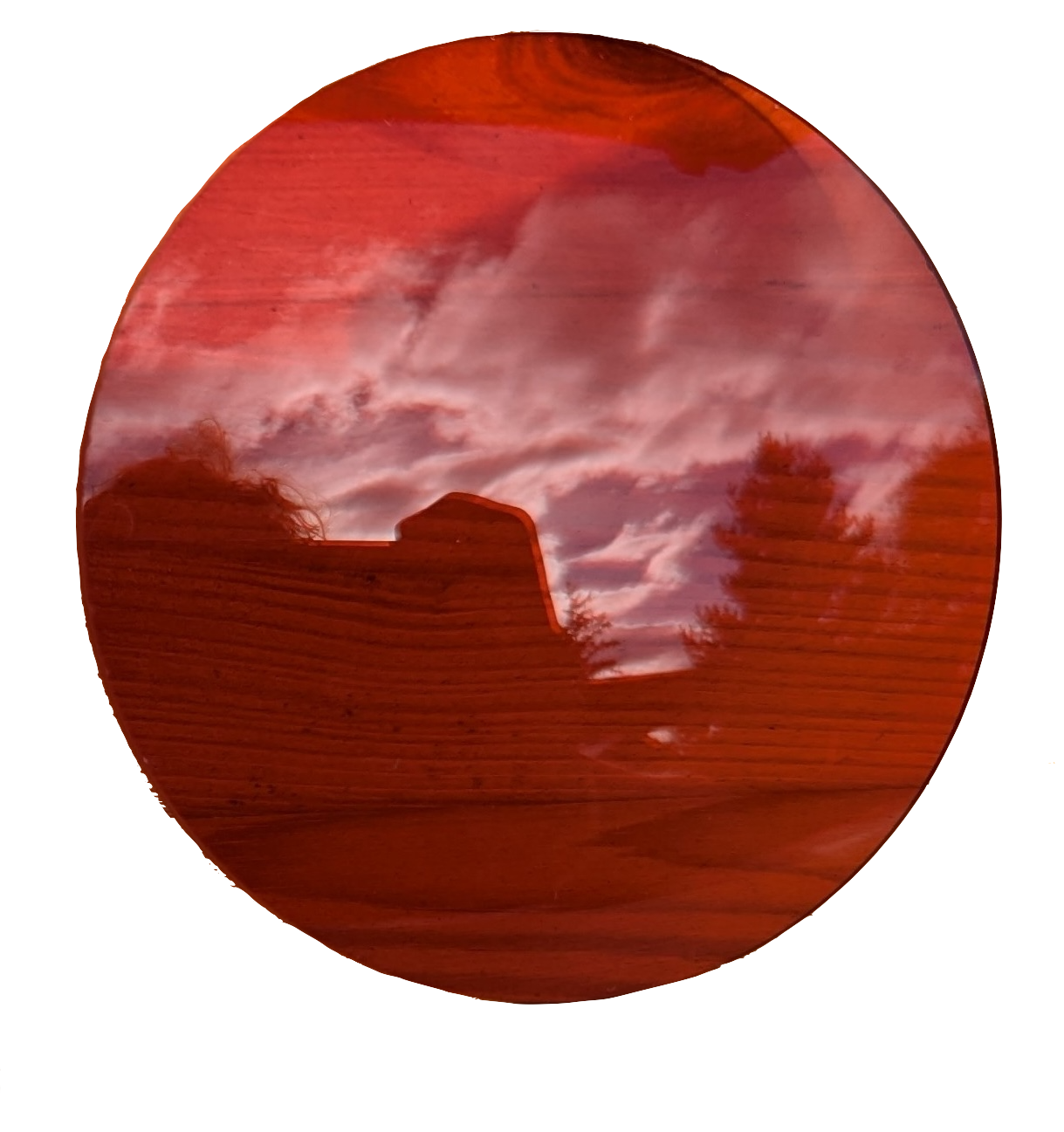
The NIGHT PRO lens:
• Blocks 99.8% of blue light (380-500nm): negligible difference compared to NIGHT.
• Blocks 98.5% of green light (500-550nm): a significant difference for our health compared to NIGHT, but it further increases the likelihood of falling asleep and slightly reduces the quality of visual detail perception. Regarding color perception, the brain adapts, but the rendering will necessarily be different from a pure white.
• Blocks 53% of yellow-orange light (550-650nm): a significant difference for our health compared to NIGHT, but it further increases the likelihood of falling asleep and slightly reduces the quality of visual detail perception. Regarding color perception, the brain adapts, but the rendering will necessarily be different from a pure white.
The NIGHT PRO lens offers the same benefits as the NIGHT lens, but it’s more effective and therefore better suited if: you plan to work intensively on your computer after sunset or before sunrise, if you stare at a screen, or if you travel on public transport after sunset or before sunrise. The protection is maximum; you don’t need anything more. Your best protection is your lifestyle. The NIGHT lens remains excellent and comprehensive, in short, less extreme.
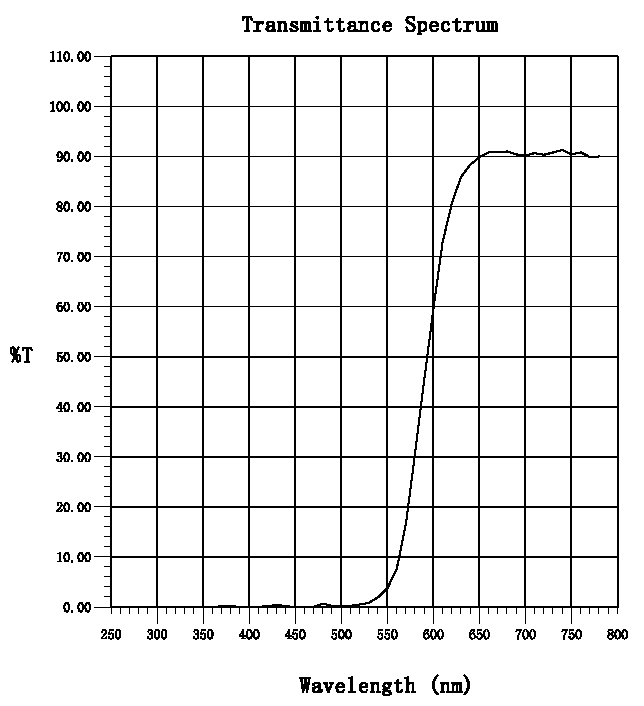
Warning, the NIGHT PRO glass is very effective.
It is suitable for strong and uncontrolled artificial light environments at night (looking at a screen in the evening, traveling late on public transport, for example), but is not suitable for situations where you want to remain alert and aware of surrounding visual details.
If you don’t experience significant problems with artificial light at night (sleep, headaches, mood, etc.), opt for the more versatile NIGHT lens. The NIGHT PRO lens is particularly well-suited one or two hours after sunset to provide a powerful calming effect on body and mind—depending on the season and latitude. It is ideal for situations where you are in a “passive” environment without significant responsibilities.
It is unsuitable for: evenings with friends, seeing all visual details, distinguishing between a black suit and a navy blue one, or working at night.
NIGHT and NIGHT PRO are therefore complementary during your nighttime waking periods to cover all possible artificial light situations and all possible personal situations.
The most prudent and often smartest approach is to start with a NIGHT lens. Then, if you find that in certain situations you need even more effective protection (particularly late-night public transport or intense late-night scrolling), you can switch to a NIGHT PRO for those situations. But in any case, the NIGHT will always be useful for its versatility in the evening, whether with friends or not.
Again, the most important thing is your lifestyle: have you been outside during the day (connected to the Earth and the Sun), and do you control your light environment during your nighttime periods (do you party every night?), do you have movement during your day?
3. Lens NIGHT DRIVE

The NIGHT DRIVE lens reduces glare from oncoming headlights and streetlights without significantly increasing sleepiness, while maintaining optimal visual detail.
However, Loïs Kedochim cannot be held responsible for any direct or indirect consequences related to the use of its glasses, particularly while driving or in any other potentially dangerous situation. The user remains solely responsible for determining the appropriate use of these glasses.
A little more context ⬇️
A QUESTION ?
Whatsapp : +41 76 779 09 19